
- Details
- Hits: 748
Listen to four expert speakers, Nason Maani, Blanca Lorente, Emil Juslin, and Juliet Namukasa, discuss how the alcohol industry keeps people in the dark about alcohol and cancer and what we can do about it. And we explore insights and lessons from both science and community action in countries such as Sweden, Uganda, and Colombia to chart an ambitious way forward for alcohol policy action to support cancer prevention and increase public recognition of the magnitude of alcohol’s contribution to cancer cases and deaths.
(Listen here Movendi Podcast )
- Details
- Hits: 996
Got a Drinking Problem? Do you know? Well, Heads up! If you have an AUD (Alcohol Use Disorder) then you are aging faster than others!
Biological aging markers in blood and brain tissue indicate age acceleration in alcohol use disorder Conclusions: The present study is the first to simultaneously investigate epigenetic clocks, telomere length, and mtDNAcn in postmortem brain and whole blood samples in individuals with AUD. We found evidence for accelerated biological aging in AUD in blood and brain, as measured by Levine's epigenetic clock, and DNAmTL.
- Details
- Hits: 965
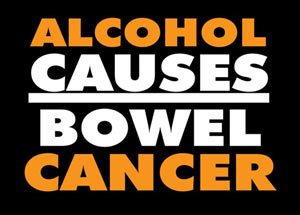
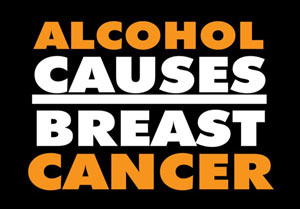
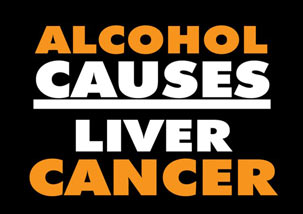
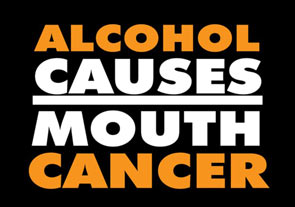
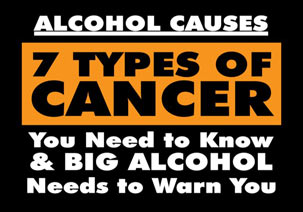
World Cancer Awarenes Day 4th February 2024 continuing to raise awareness of this broad and relentless disease, which has many contributing factors. Some of these carcinogenic contributors can be completely neutralised – one such factor is alcohol. The disturbing research emerging over the last 10 years has been irrefutably confirming that alcohol use is associated with 7 major cancer types.
Research as follows;
- Alcohol Directly Causes Cancer, New Study Shows
- How does alcohol cause cancer?
- Alcohol is one of the biggest risk factors for breast cancer (W.H.O)
- No amount of bacon or alcohol is safe, World Cancer Research Fund says
- Raising Awareness of the Link Between Alcohol and Cancer
- Stop Drinking Alcohol = Reduced Cancer Risk: Simple equation isn’t it?
- Alcohol Induced Cancer – a Wake Up Call, which is Good News?
- World-first trial in a breast screening service targeting women’s low awareness of the link between alcohol and breast cancer
- Drinking just ONE glass of wine or pint of beer each night 'may raise your cancer risk by 5%' as scientists warn the safest amount of alcohol is NONE
The key message here is not ‘don’t drink alcohol’. However, the unmistakable take-away from these facts is; if you want to maximise your protection against cancer then not drinking at all is the best-practice.
It’s your call, but please be better informed this World Cancer Day 2024
Be Loud 4 Change – (click image to view video)

 |
 |
 |
 |
 |
 |
 |
 |
 |
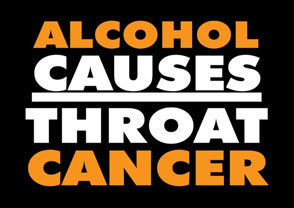
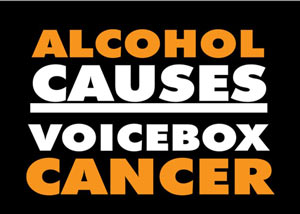
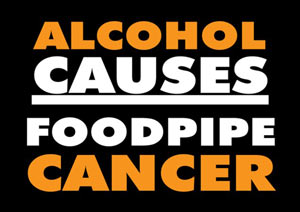
Alcohol & Cancer: A ‘Dirty’ Ditty?
Do you want cancer, then drink alcohol.
Or you can slow and not drink at all.
You still get to choose but you’ll need all the stats,
Cause Big Alcohol could not give a ‘rats’!
Cancer’s no fun, not for anyone.
Addiction for profit will just set you up.
Throat, Breast, or Bowel, it could be each one.
But Big alcohol cares little if you’re DONE!
Alcohol and Cancer, who knew it could be?
Most people don’t know, but what of industry?
The harms they continue and Cancer the latest.
Become a non-drinker and upgrade your status?
Alcohol causes cancer, cancer, cancer
Rates with asbestos, ‘Jack the Dancer Advancer’
Throat and
Mouth and
Bowel and
Breast…
Voice box
Liver and
Food pipe to boot…
7 x chances of developing cancers – all with one root!
…Alcohol
© Dalgarno Institute 2023
By Dalgarno Institute Research Team

- Details
- Hits: 801
People who stop drinking alcohol lower their colorectal and breast cancer risk
- Accumulating evidence shows that people who cut out alcohol can reduce their risk of developing some forms of cancer.
- Decreasing alcohol intake decreases the production of acetaldehyde in the body, which in turn, reduces the risk of certain cancers.
- Researchers and experts agree that continuing abstaining from alcohol is the only way to see long-term, positive health effects. (for more Can drinking less alcohol reduce your risk of cancer? (medicalnewstoday.com)
Also see